The Suzee Leone Grants Program offers small-grants that fund innovative counseling initiatives across the Commonwealth of Virginia.
Each spring and fall, the Grants Committee reviews proposals submitted by members in good standing and awards funding for as much as $1,000 per grant for programs that align with the foundation’s mission to foster professional development and enhance counseling services throughout Virginia.
Below are those selected as 2026 recipients.
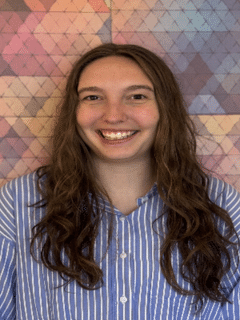
Emily Bowles
Seeking Wellness Counseling Services
Therapeutic Gardening Program
The purpose of the project is to provide a structured therapeutic gardening program for adolescents that integrates counseling-informed practices with hands-on gardening activities to support emotional well-being, skill development and social connection. The program will offer weekly group sessions facilitated by trained staff, where participants engage in planting, cultivating and maintaining a shared garden space.
Sessions will intentionally incorporate elements of mindfulness, emotional regulation, teamwork, and reflection. Participants will have opportunities to learn about plant care, nutrition, and environmental stewardship while also building trust, communication skills, and a sense of belonging. The program is designed to be inclusive and accessible, serving youth with a range of emotional, behavioral and developmental needs in a safe, supportive environment.

Tamara Howe, LPC
Clinical Director, Calming Wheels, LLC
Calming Wheels
The purpose of the project is to provide a mobile, trauma-informed counseling and emotional regulation program that increases access to therapeutic support for elementary and middle school students experiencing social-emotional and behavioral challenges. Calming Wheels delivers structured play-based counseling interventions directly within school settings through a mobile therapeutic model and pup-up calming spaces.
This project will implement a 6-8 week structured intervention series for students identified by school staff as needing additional emotional and behavioral support. Sessions will focus on emotional identification, coping skill development, self-regulation and executive functioning. Interventions will include sensory-based strategies, cognitive-behavioral techniques, social-emotional learning (SEL) activities and expressive play. Students will engage in hands-on activities such as therapeutic games, art and guided reflection to build practical skills they can use in real-time within the classroom.
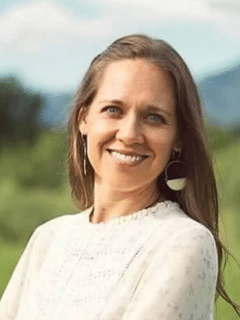
Angela Opitz
School Counselor, Bennett Elementary School
Connected Capable & Confident, Play-Based Counseling
Connected, Capable & Confident is a school-wide counseling initiative serving 740 Kindergarten through 5th grade students at Bennett Elementary. The project strengthens social-emotional growth by intentionally increasing hands-on, peer-to-peer interaction through ASCA-aligned counseling lessons. Students participate in structured art, building and literature-based stations that require collaboration, problem-solving and expressive communication.
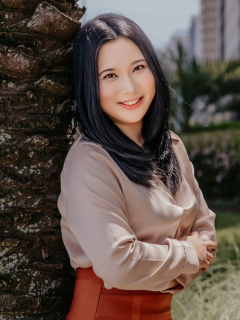
Samantha Redd, M.A.
Tea and Empathy Counseling LLC
VR Connection 2
VR Connection proved that immersive virtual reality effectively fosters social communication and emotional stability in children and adolescents with autism. Despite their potential, innovative interventions frequently remain inaccessible to marginalized groups, resulting in therapeutic disparities. Broadening access to this innovative technology is essential to promote equality across underserved communities (Soccini et al., 2020).
Furthermore, research suggests that immersive mindfulness strategies significantly reduce symptoms for adults experiencing depression and anxiety by providing distraction free, and safe environments for emotional regulation (Srinivasan, 2025). Expanding this program to adult psychiatric populations will address critical gaps in mental healthcare through scalable technology integrated solutions.
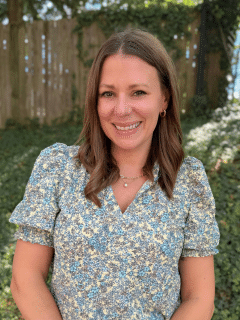
Anna Schnetzler
School Counselor, Woodrow Wilson Middle School
Middle School Sensory Wall
The purpose of the project is to provide a space within the School Counseling Center for students to engage in multisensory experiences that help manage and regulate their emotions, energy and focus during the school day.
The Woodrow Counseling Center currently has a Calm Space that is open to all students who need time to practice self-regulation skills to calm down, focus or regulate their emotions. Our current space, however, is limited to emotional regulation practices that do not require movement, such as deep breathing, coloring at a table, mindfulness activities, grounding activities and other activities that are used while sitting and remaining still.
While these types of strategies are helpful for some students, other students require strategies that provide more movement, activity, and other multisensory experiences. Since our current space does not provide a supportive way for students to utilize all the coping strategies they have identified as being helpful, students are either not being able to practice self-regulation or wandering the hallways as a means to practice emotional regulation through movement.
The addition of a sensory wall to our current calm space will provide a controlled area for students to use movement-based coping strategies as well as other multisensory experiences in a more supportive environment than wandering the hallways during instruction.
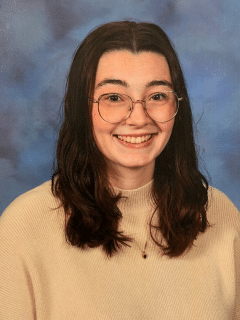
Shannon Smith, Esther Pincus Grant
School Counselor, Garden City Elementary School
Creating Classroom Calming Corners
The purpose of the project is to provide a safe calming space within the classroom where students develop emotional regulation and resilience skills while remaining engaged in the academic environment.
Currently when students experience emotional dysregulation, they are often removed from the classroom to the office or counseling space due to limited classroom capacity for immediate intervention. Research indicates that classroom calming spaces reduce disruptions, support emotional regulation and improve overall climate by allowing students to practice coping skills in real time (Brasfield et al., 2024; Vallejo, 2025)
Funds will be used to purchase calming and sensory tools that are familiar to students through small group or individual counseling sessions. When students experience dysregulation, they may have the option to use the calming corner for up to five minutes to engage with developmentally appropriate self-regulation tools. These tools help students calm their bodies, identify emotions and return to learning with minimal disruption.
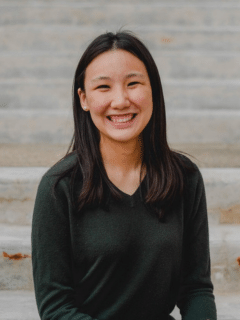
Minnie Tsai, Ph.D.
William and Mary School of Education
Trauma Informed Role Play Group Counseling (Elementary School)
The purpose of the project is to provide a free school-based group counseling program for students who have experienced bias-based bullying at high needs elementary schools in Newport News Virginia
This proposed project was part of a larger initiative that received the U.S. Department of Education Mental Health Service Professional Demonstration Grant, but was unfortunately discontinued due to emphasis on inclusive practices for diverse populations.
We were able to implement this project from October 2025-March 2026 with the previous grant money supporting 14 students across two elementary schools in Newport News. However, we need funding to continue this much needed project into the next academic year.
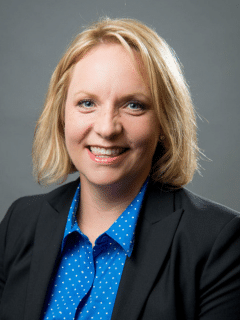
Naomi Wheeler, Ph.D.
Associate Professor, Virginia Commonwealth University
Expanding School-Based Training, Resources and Supports for Virginia Counselors
This project strengthens the preparation of future professional counselors in Virginia through a university–school district partnership delivering school-based mental health services in Richmond Public Schools.
Graduate counseling students, supervised by licensed counselor educators, provide trauma-informed counseling to elementary students in schools serving historically underserved communities.
Since Spring 2025, student-counselors have delivered more than 300 counseling sessions, expanding access to care while receiving hands-on clinical training.

Syretta Wright, Ph.D.
Counselor Education and Supervision Student, Virginia Commonwealth University
Counselor Self-Efficacy and AI Cultural Responsiveness in Simulation-Based Training
The purpose of the project is to provide VCU master’s counseling students with structured opportunities to practice counseling skills using an AI simulation platform, SimCare, to strengthen their self-efficacy and examine AI’s cultural and relational responsiveness.
This pilot study will be conducted during the fall 2026 semester with 10 volunteer counseling students. The project responds directly to emerging national expectations for counselor educators. The ACA AI Workgroup has emphasized the need for training that addresses ethics, DEIA, essential counseling tasks and specialty-area considerations, while also warning of risks such as bias, misinterpretation and ethical misuse.
Students in this project will engage in multiple simulated counseling sessions with AI-generated clients through SimCare. These sessions will allow them to practice core counseling skills such as empathy, reflection of feelings and content, rapport-building, cultural attunement and ethical decision-making, in a low-risk, feedback-rich environment. Because AI tools are increasingly used in training, supervision and service delivery, this project positions VCU students to develop competencies that align with emerging professional standards.